
Let’s face it, damage to ropes is one of the leading hazards in our industry. Oftentimes we believe our risk has been reduced or mitigated by using canvas-type rope protectors. I’m not saying these types of protectors don’t have a place in our industry, I’m just saying they don’t always offer the level of protection needed to effectively reduce risk to an acceptable level.
The first step in protecting your workers is to conduct a risk assessment of the work site to determine where risk of damage to rope may occur. Notice I didn’t say a Job Safety Analysis. That comes later. The risk assessment I’m talking about is during the planning phase of the work. This assessment allows you to select the types of techniques you’ll need to use to conduct the job. Then you can begin to build an access plan complete with equipment you’ll need. If you make protection of your ropes a priority, then you’ll have a good understanding of the types of protection needed to safeguard yourself and your ropes.
IRATA has produced a great tool for understanding this process. In simple hierarchal form, following the steps identified by this tool will allow you to build better access plans that will provide better protection for yourself and others on your team. Here’s the basics of the hierarchy:
As the heirarchy suggests, if we cannot remove the hazard, then we should avoid it. This is where your rigging experience should kick in. Would it be better to avoid the hazard by rigging the rope system with load sharing anchors? This technique is useful to position the worker at the desired location while protecting against hazards close to where your intended anchor is if you were to rig a simple anchorage rope system.
Would a deviation or re-anchor be more effective? These systems are effective if the hazard is located away from the anchors, along the fall line of the rope system. As with any system or access plan, an effective rescue plan must accommodate the techniques used in the work being performed. Remember to consider these changes in your rescue plan and make sure your team understands and can carry out their responsibilities!
Rope protection comes in a range of sizes, styles and forms. Your job is to use the one that will allow you to safely get your work done. Here are some examples to consider.
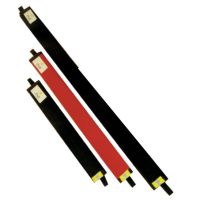
Canvas type protection – useful for general protection against a very limited scope of hazards. They may be useful for easing edges, protection of ropes that may come into contact briefly with hot (I’m guessing no hotter than 180° F, for no more than a few seconds) process equipment, or rough surfaces. You should not consider this protection, but rather a barrier. The protection should be encompassing, meaning there is a form of closure which will prevent the rope from being removed from the protection. It is also best practice to use one protector for each rope. by doing so, you are less likely to affect both ropes if the canvas protector is damaged.
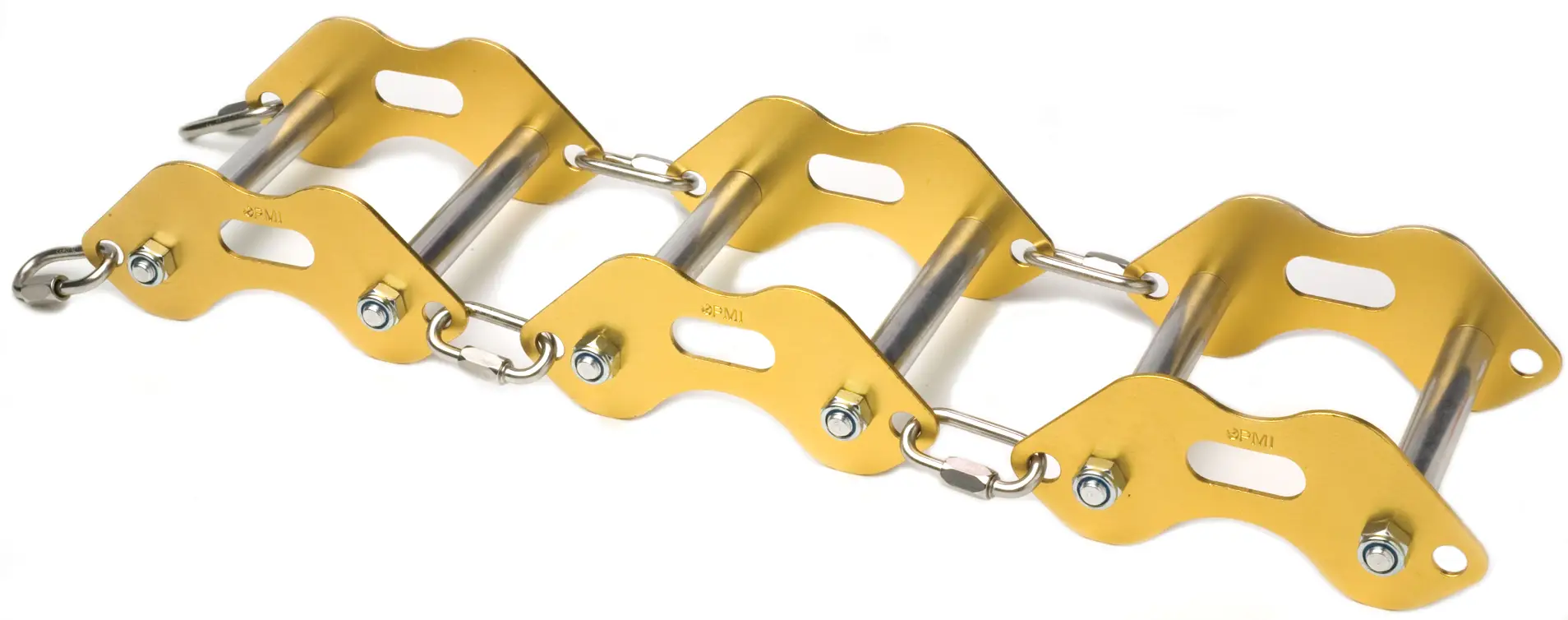
Metal protection – useful for edge work because the rope is held away from the hazard. These protection devices can be complex in design which complicates theinspection and maintenance activities associated with the device. They also conduct heat well so they should not be used on hot surfaces over an extended period.

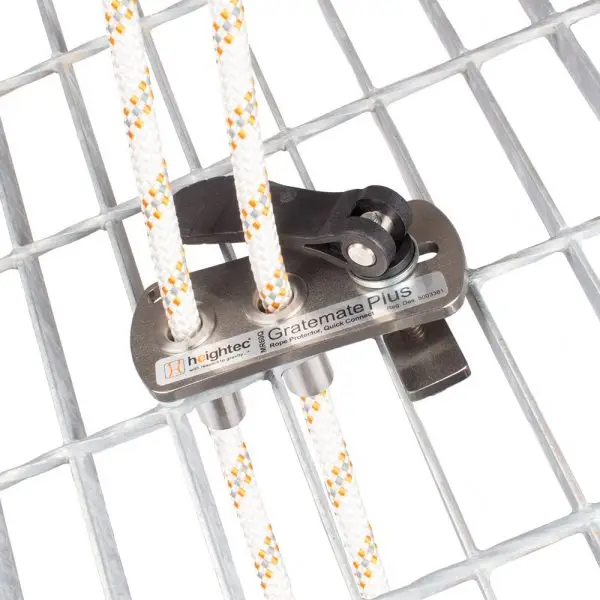
Grating protection – These protectors are great for grating! Yeah, I went there. Made of plastic or metal, these provide 360° protection for ropes placed through grating or small holes with unprotected edges. Most are quickly installed and removed, although some are semi-permanent. Be aware that grating comes in various sizes, and you should match your protection to be compatible with it.
There are many other forms of protection available for use. The message here is that protection is one of the last options you should turn to when considering what steps to take to mitigate a hazard. Follow the hierarchy and you’ll have a great day. Skip the steps and you’ll risk damaging your ropes or worse, injuring yourself. AccessRULES sells a wide range of protection to accommodate the types of mitigation you need in the field. Just give us a call, we’re here to help!